
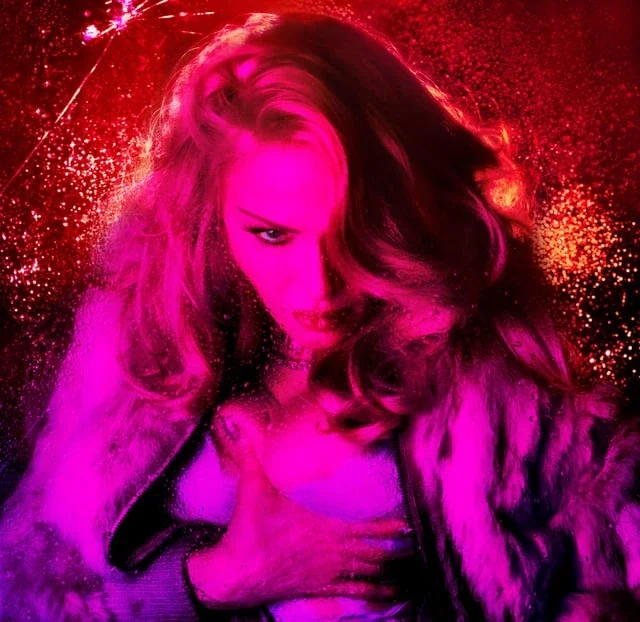
Madonna's Second Confession: A Journey Through Confessions II
For forty years, every major chapter of my life has been accompanied by a new Madonna era. Since the spring of 1986, when I first heard the opening notes of Live to Tell, I have been bewitched by this woman.
Now, a new Madonna era has officially begun with the arrival of her fifteenth studio album, Confessions II, one of the most anticipated releases of the summer. Coming after a seven-year hiatus between studio albums, it arrives at a moment when both the world—and I—have been craving a new Madonna record.
Madonna's influence on popular culture is undeniable. While many of her contemporaries have settled into the role of legacy artists, she continues to push forward creatively. With this latest release, she isn't simply revisiting past successes; she has her sights set on reclaiming her crown—not only as the Queen of Pop, but as the true Empress of the Dancefloor.
More than an album review, this is a reflection on dance music, reinvention, and the quiet truths that reveal themselves as the night gives way to morning.
For forty years, every major chapter of my life has been accompanied by a new Madonna era. Since the spring of 1986, when I first heard the opening notes of Live to Tell, I have been bewitched by this woman.
Now, a new Madonna era has officially begun with the arrival of her fifteenth studio album, Confessions II, one of the most anticipated releases of the summer. Coming after a seven-year hiatus between studio albums, it arrives at a moment when both the world—and I—have been craving a new Madonna record.
Madonna's influence on popular culture is undeniable. While many of her contemporaries have settled into the role of legacy artists, she continues to push forward creatively. With this latest release, she isn't simply revisiting past successes; she has her sights set on reclaiming her crown—not only as the Queen of Pop, but as the true Empress of the Dancefloor.
Dance music has always been Madonna's natural habitat, and throughout her career she has explored nearly every corner of the genre. From the new wave, R&B, and disco influences of her self-titled debut to the glamorous house pulse of "Vogue," to the groundbreaking electronic textures of Ray of Light, she has continually redefined what dance-pop can be. No artist has made the dancefloor feel more like home. Having topped the dance charts more than any other performer in history, her influence on club culture remains impossible to ignore.
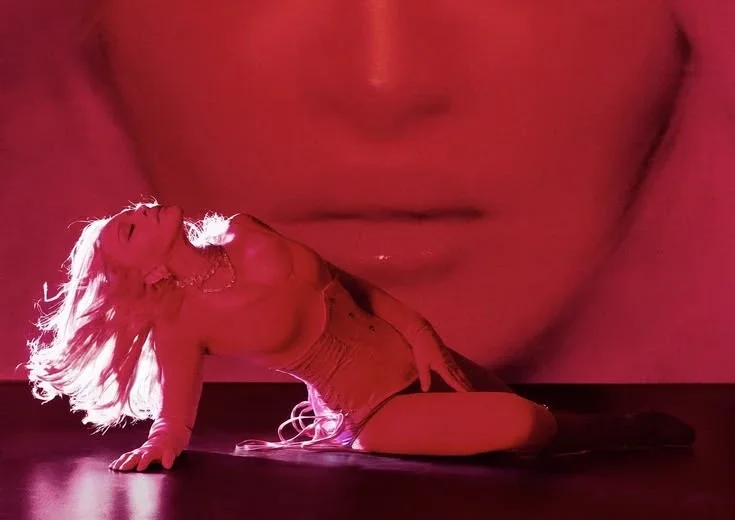
Where Confessions on a Dancefloor was a masterclass in disco-dance-pop, Confessions II is a celebration of dance music in all its forms. House, techno, trip-hop, and EDM weave throughout the album, alongside sophisticated nods to many of the genre's pioneers, their influence subtly threaded into an ever-evolving sonic landscape.
This is Madonna at her most formidable: confident, assured, and still pushing musical boundaries. She doubles down on everything that has long defined her artistry, remaining fierce, vibrant, sensual, unapologetic, and wiser than ever—a savant and a rebel wrapped in the irresistible package of a creamy, smooth, pop-icon goddess.
More importantly, she reminds us that age has little to do with relevance or creative vitality. In an era when middle-aged workers are too often treated as disposable, there is something profoundly reassuring about watching someone continue to create, evolve, and challenge expectations at the highest level. For my generation, the message is unmistakable: you are still vital. You still have something to contribute. You can continue building, regardless of what others may think.
Madonna has endured relentless criticism throughout her career for refusing to separate her sexuality from her art. More recently, that criticism has increasingly taken the form of ageism, with critics insisting she should somehow "act her age." Instead, she has remained defiantly herself. In that sense, Madonna becomes more than a pop star; she becomes a symbol of resilience, a flame in the darkness that reminds us how important it is to define ourselves by our own standards rather than those imposed upon us.
This record also marks Madonna's return to Warner Music, the label where her extraordinary journey first began in 1982 with a modest three-single deal and an album option. That initial signature would launch one of the most influential careers in popular music history, taking her from an ambitious young artist to one of the defining cultural figures of the past four decades.
Although her ascent was often accompanied by controversy—some deliberately provoked, much of it simply a reaction to her artistic vision—her celebrity frequently eclipsed her musicianship. As a result, many of her greatest strengths as a songwriter, producer, collaborator, and creative architect were too often undervalued or dismissed altogether.
Confessions II feels like a quiet correction to that history. Reunited with longtime collaborator Stuart Price, Madonna delivers what I consider the year's finest album: an intoxicating fusion of dance styles that rekindles the spirit of Confessions while confidently venturing into exciting and unexpected musical territory. Rather than revisiting the past, the album proves that her creative curiosity remains as restless as ever.
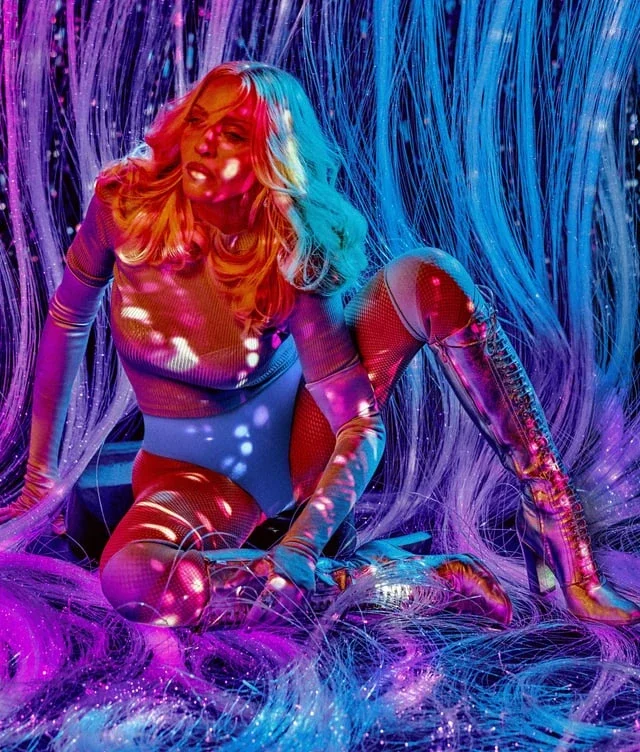
Each of the sixteen tracks tells a different chapter of Madonna's life, showcasing some of her most heartfelt and revealing lyrics in decades. Her storytelling is remarkably vivid, painting intimate portraits of a life fully lived—one shaped by experiences few people will ever know, yet expressed with emotions that feel universally recognizable.
Rather than presenting sixteen individual songs, Confessions II unfolds as one continuous musical journey. Like a gifted DJ guiding a dancefloor through the course of a night, the album is seamlessly mixed, allowing beats, melodies, and emotions to flow effortlessly from one track into the next. Dance and reflection become inseparable.
Although every song draws inspiration from a different corner of dance music, the album's greatest achievement lies in the journey it creates. Listening to Confessions II feels like wandering through a city after dark, moving from one club to another, each with its own atmosphere, tempo, and emotional landscape. One moment is euphoric, the next sensual, contemplative, melancholic, or quietly hopeful. Every emotional register finds its place.
And just like an unforgettable night out, the energy gradually shifts. The frenzy of peak-hour clubbing slowly gives way to quieter rooms, softer conversations, and the gentle comedown before sunrise, until the first light of morning begins to illuminate the horizon.
The journey begins with I Feel So Free, the album's first previewed track. It serves as a graceful bridge from Confessions on a Dancefloor, gently leading us away from disco and into Detroit-inspired house and techno. Madonna delivers the verses with a breathy rasp that perfectly suits the song's hypnotic pulse. There are subtle echoes of Future Lovers, alongside affectionate nods to Giorgio Moroder and Donna Summer's groundbreaking I Feel Love. A true club anthem, the song continually builds without ever losing its momentum, making it the ideal opening chapter for everything that follows.
Good for the Soul shifts effortlessly into a cosmic blend of techno and disco. Its instantly memorable chorus feels strangely familiar while remaining entirely fresh. Echoes of the Ray of Light era drift through the production as spiritual, almost celestial lyrics float above shimmering synthesizers, sweeping strings, and richly layered electronic textures.
One Step Away strips everything back. A minimalist house production allows Madonna's voice to take centre stage, transforming the lyrics into equal parts mantra, meditation, and call to action. Her vocal performance is breathtaking in its restraint, and each time she reaches that sustained note near the song's conclusion, I find myself overwhelmed by the same wave of euphoria.
The lead single, Bring Your Love, featuring Sabrina Carpenter, is pure house-pop perfection. Built around crisp 1990s-inspired production, it burrows into your memory almost immediately. The sample of Inner City's Good Life is another affectionate tribute to dance music's rich history, while the spoken-word Easter egg playfully recalls Madonna's 1989 classic Express Yourself.
Danceteria throws the doors wide open and sends the night into full celebration. Its spoken verses and infectious chorus feel destined to unite generations of listeners. Already embraced by fans and gaining momentum across social media, it has all the ingredients of Madonna's next major hit. With playful echoes of Music, touches of Daft Punk, and production contributions from Andrew Wyatt and Cirkut—the architects behind much of Lady Gaga's Mayhem—the song is impossible to resist. I dare you to sit still while listening to it.
The first movement of the album concludes with Read My Lips, Madonna's collaboration with Feid. Having long drawn inspiration from Latin music, she once again demonstrates her remarkable gift for melody. The song lingers long after it ends, its hooks refusing to leave your head. Rather than feeling like a guest appearance, Feid's contribution becomes an essential part of the narrative, allowing both artists to inhabit the song as equals.
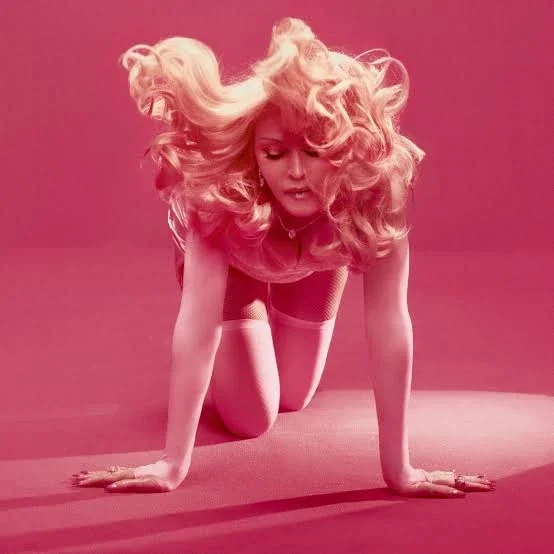
The album's opening six tracks were first unveiled through brief excerpts featured in the companion short film, also titled Confessions II, which premiered at New York's Tribeca Film Festival this past June. Directed by the filmmaking duo Torso, the film includes appearances by Gwendoline Christie, Kate Moss, Benedict Cumberbatch, Sabrina Carpenter, Julia Garner, longtime friend Debi Mazar, Madonna's daughter Lola Leon, and many others. More than a promotional piece, it serves as a visual prologue to the musical journey that follows.
That feels entirely fitting because Madonna has never been solely a recording artist. She is equally a visual storyteller and performance artist, someone who instinctively understands the language of the camera. Few performers have been able to reinvent themselves so completely from one era to the next, and much of that comes from her remarkably transformative face. Through styling, fashion, lighting, and makeup, she continually inhabits new characters while somehow remaining unmistakably herself.
Watching Madonna has always been every bit as compelling as listening to her. Her presence is magnetic, drawing the eye before she has even sung a note. Vocally, she has never relied on sheer power; instead, she creates atmosphere through layered harmonies, subtle phrasing, and an almost hypnotic sense of intimacy. Madonna is never singing at you—she is singing to you. That distinction has always been one of the defining qualities of her performances. Whether playful, confrontational, vulnerable, or euphoric, her emotional intention remains unmistakably clear.
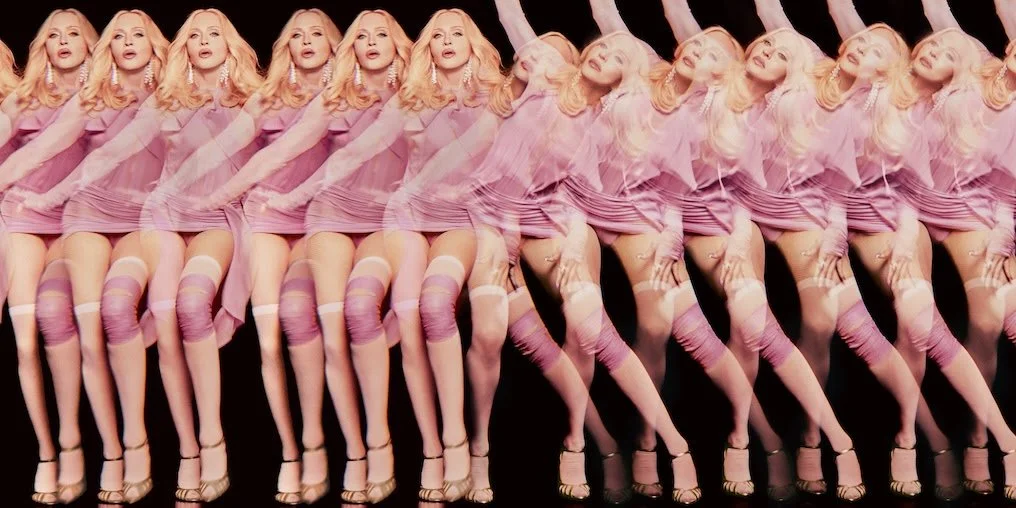
The next movement of Confessions II plunges us into the heart of the night. These are the album's peak club hours, where the dancefloor is packed, the music grows heavier, and bodies surrender completely to rhythm.
Everything opens this chapter with an uncompromising burst of techno energy. Its confrontational edge recalls the more rave-inspired moments of Ray of Light, while Madonna delivers some of the album's sharpest social commentary. This track goes hard. It is fearless experimentation, driven by relentless beats and a voice that makes one thing abundantly clear: Madonna has no intention of slowing down. Her observations remain every bit as incisive as ever.
The mood then shifts effortlessly with Love Sensation, one of the album's brightest moments. Joyous, romantic, and irresistibly infectious, it celebrates the simple power of love, connection, and shared happiness. Echoes of classics such as Into the Groove and Where's the Party dance through its DNA, while its unforgettable chorus has followed me long after the music stops. I catch myself humming it almost everywhere I go.
Love Without Words is house music at its most elegant. Madonna and Stuart Price allow space for subtle experimentation, weaving inventive vocal textures into immaculate production. As Madonna invites us into her "club of love," the song becomes a masterclass in restraint, proving that sophistication can move a dancefloor just as powerfully as excess.
Bizarre, the collaboration between Madonna, Stuart Price, and Martin Garrix, embraces the album's EDM influences while delivering one of its most commanding vocal performances. Grand, cinematic, and filled with a quiet sense of mysticism, it immediately brings Frozen to mind—not because it imitates it, but because it evokes that same feeling of awe.
Then comes School, one of the album's cleverest turns. Madonna reminds us once again how deeply fluent she remains in the language of dance music, weaving lyrical references to both Bedtime Stories and Confessions on a Dancefloor into the song's fabric. If Bizarre represents the euphoric main room at midnight, School slips downstairs into something darker and far more intimate. The ceiling is low. The walls glisten with sweat. The air is thick with heat, pressed bodies, and unrelenting desire. This is where the night reaches its most primal expression.
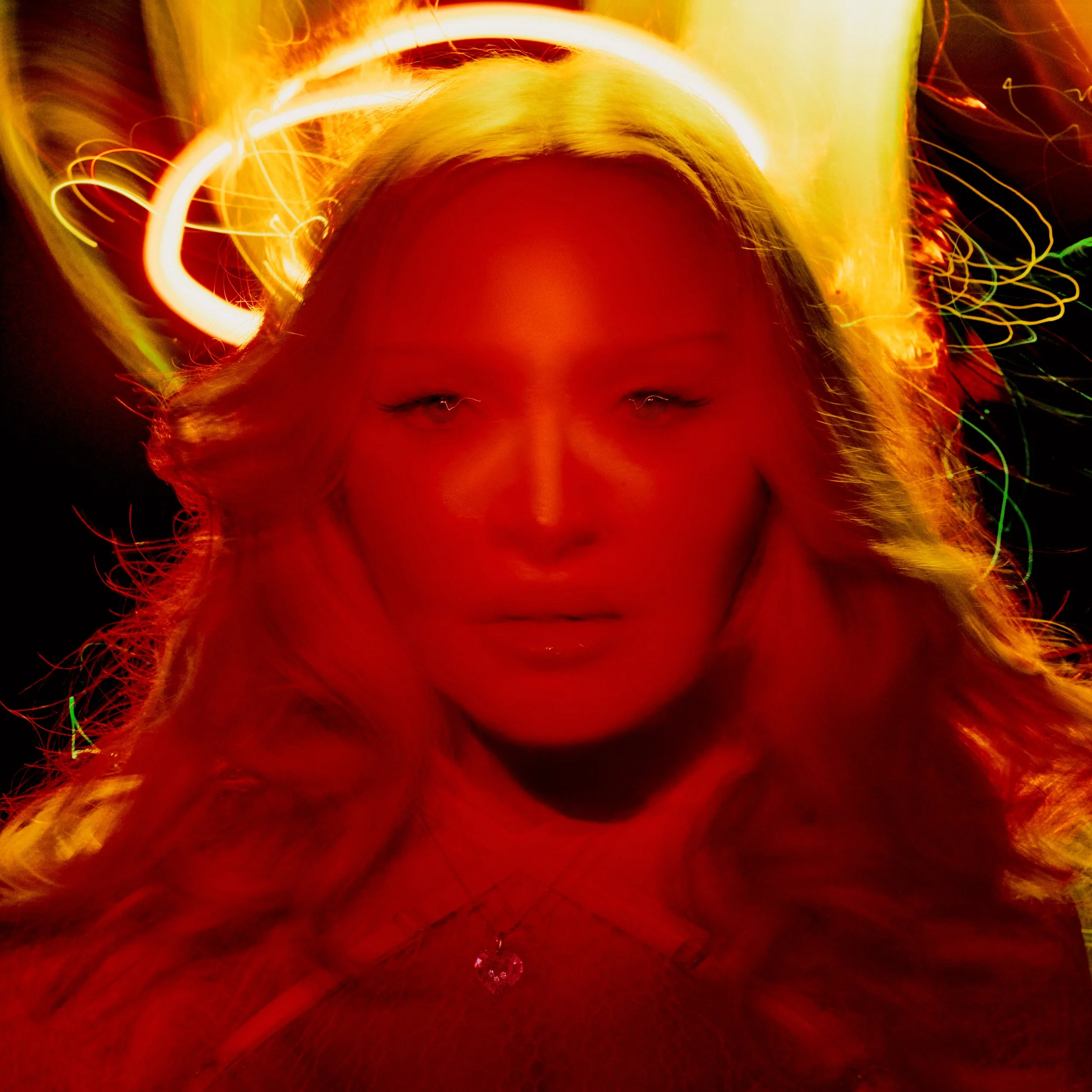
Fragile marks the album's emotional turning point. Inspired by Madonna's complex relationship with her late brother Christopher Ciccone, it is a haunting ballad filled with tenderness and quiet sorrow. Her voice has rarely sounded so vulnerable, gently exploring the delicate nature of love, loss, forgiveness, and family. More than any other song here, Fragile feels like the spiritual heart of Confessions II.
From this point onward, the album begins its slow journey toward dawn. The pulse of the dancefloor softens, the adrenaline fades, and what remains are the truths that only reveal themselves after the music has done its work. With our inhibitions left behind somewhere between the speakers and the flashing lights, reflection quietly takes over.
My Sins Are My Savior, Madonna's collaboration with Stromae, continues that inward journey. Built around vocal samples from the 1990s queer dance group Army of Lovers, its production recalls the atmospheric mysticism of Enigma while remaining entirely its own creation. Madonna's passages in French add another layer of intimacy, making the song feel almost confessional.
As the closing piano of My Sins Are My Savior dissolves into Betrayal, the emotional weight deepens. Reimagining Erik Satie's Gnossienne over a restrained trip-hop landscape, the song pairs sparse piano with delicate jazz trumpet to create one of the album's most devastating moments. Madonna delivers some of her most emotionally uncompromising lyrics in years, while the return of longtime collaborator Mirwais Ahmadzai alongside Stuart Price feels both unexpected and entirely fitting.
The Test, a delicate duet with Lola Leon, gently eases the listener toward the album's conclusion. Their voices intertwine beautifully, creating one of the record's most intimate moments. Co-produced by Arca, the song feels simultaneously modern and timeless, while shifting the perspective away from Madonna herself to explore what it means to grow up in the relentless glare of global fame. It is a deeply human conversation between mother and daughter.
The journey concludes with L.E.S. Girls. Wrapped in delicate synthesizers and softly strummed guitars, Madonna reflects on her earliest days in New York, when rent was overdue and the future remained completely uncertain. The icon quietly disappears, leaving us instead with the young woman who arrived on the Lower East Side carrying little more than ambition, resilience, and impossible dreams.
It is a beautiful ending. Like the first rays of sunlight after a long night of dancing and soul-searching, the song balances hope with melancholy, reminding us that every moment, no matter how extraordinary, is ultimately fleeting. "Everything fades away" are Madonna's final words on the album. They arrive not as a statement of defeat, but as a gentle acceptance of life's impermanence.
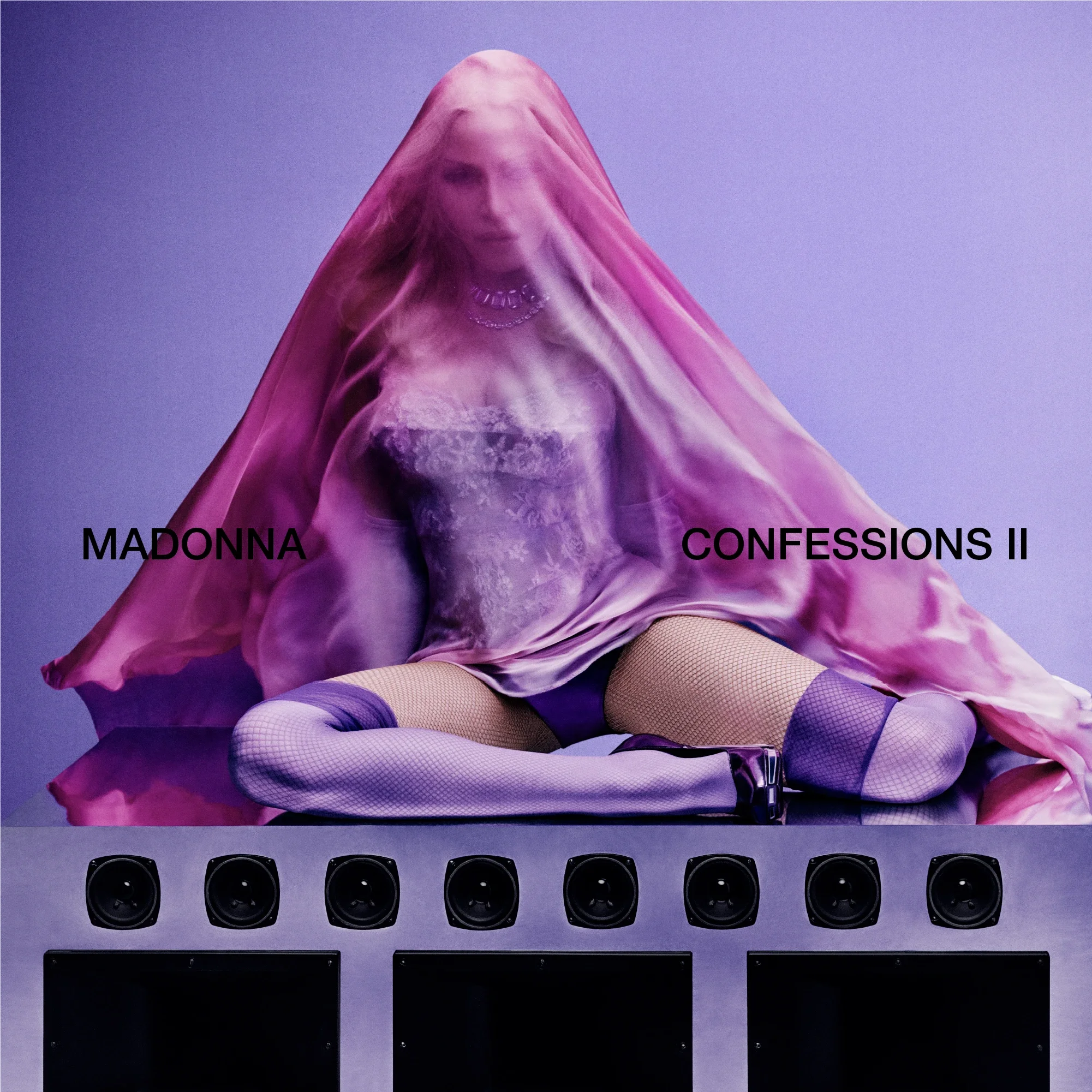
As a complete body of work, Confessions II is Madonna's most cohesive album since Confessions on a Dancefloor. Every song feels purposefully placed, flowing seamlessly into the next to create a musical narrative that is as compelling as it is immersive. There is an extraordinary sense of completeness here and, without hesitation, I would call it the finest album sequencing I have ever experienced.
While the record lovingly pays tribute to the rich history of dance music, it never becomes trapped in nostalgia. Instead, it looks confidently toward the future, reminding us that in an era increasingly shaped by algorithms and disposable content, there will always be a place for artists who think conceptually—who patiently construct worlds, carefully sequence ideas, and pour themselves completely into creating an experience rather than simply a collection of songs.
Although entirely new, Confessions II already feels strangely familiar to me, like reconnecting with an old friend. It is as though the emotional DNA of Erotica, Bedtime Stories, and Ray of Light has been distilled into something entirely its own, carrying forward their intimacy, sophistication, unforgettable melodies, and irresistible rhythms while continuing to evolve beyond them.
We are fortunate that Madonna is still here—still curious, still fearless, and still willing to challenge both herself and the world around her.
Forty years after I first heard True Blue, Madonna continues to remind us that reinvention is not an act reserved for youth—it is a lifelong discipline. Confessions II is more than another dance album. It is proof that curiosity has no expiration date, and that artists who continue to evolve will always have something meaningful to say.
As this remarkable night finally gives way to morning, I find myself ready to confess at the club of love.
Will you join me?
Let your body move to the music.